The power went out, the whole facility is counting on the generator, but the generator won't start. This is the last moment anyone with a backup power system ever wants to face. The good news is this: the vast majority of generator faults come down to a few recurring causes, and most of them can be spotted in advance through regular checks. In this article we will look at the 10 most common symptoms that help you understand why a generator won't start, their likely causes and what you can do within safe limits. We will also explain why unauthorized intervention in the electrical and fuel systems is dangerous and in which situations you should always call authorized technical service. Our aim is not to turn you into a technician, but to help you describe the problem correctly and take the right step.
What to Do First When the Generator Won't Start
Panic is the worst diagnostic tool. When the generator won't kick in or stops while running, a few safety and observation steps before any intervention will point you in the right direction.
- Read the control panel. The control panel of a modern diesel generator usually shows a warning light, alarm or error code. This information is the fastest way to narrow down the source of the problem. Note down what the panel says or take a photo of it.
- Observe what is obvious and safe. Check things you can notice from the outside, such as the fuel gauge, a visible leak, a disconnected cable or a loose battery clamp.
- Do not touch live parts or the fuel line. A generator produces high voltage and contains hot surfaces and rotating parts. Working on the electrical connections, terminals and fuel system inside the enclosure is a job for authorized personnel.
- Describe the problem. "It cranks but won't start" and "it doesn't crank at all" are completely different faults. Describing the symptom clearly directly affects the technical service's work and how quickly it is resolved.
These preliminary checks will make it easier to match the 10 items below to your own situation.
The 10 Most Common Generator Faults and Their Causes
The headings below cover the most common scenarios behind a generator not starting. In each one you will find the symptom, the likely cause and the step you can take within safe limits.
1. Won't Crank: Weak or Dead Battery
This is the most common problem. If you press the start button and there is no sound at all, the panel is dead, or the starter cranks slowly and weakly, the first suspect is the battery and the battery connections. Batteries lose capacity over time; especially in cold weather the current a battery can deliver drops physically and may not be able to supply the high current a diesel engine needs to crank. In addition, loose or oxidized (rusty, coated with a white crust) battery terminals prevent the current from reaching the engine. On generators that are left unused for long periods, the battery discharging on its own is also common. You can visually check that the terminals are clean and tight; however, measuring, charging and replacing the battery is a technical task.
2. Out of Fuel or Air in the Line
Sometimes the problem is simpler than it looks: there is not enough fuel in the tank. The gauge may be faulty, or the fuel may have run out faster than expected. A more insidious situation is air getting into the fuel line. If the tank has been completely emptied and then refilled, or if maintenance has been carried out on the fuel system, air that has entered the line prevents the engine from drawing fuel. In this case the starter cranks but the engine won't fire, or it seems to start and then stops immediately. Checking the fuel level is a step you can take yourself; however, purging the air from the fuel system should be done by authorized service.
3. Clogged Fuel Filter or Air Filter
A diesel engine needs clean fuel and enough air. The fuel filter gets dirty over time and restricts the flow of fuel to the engine. The symptom is usually this: the engine struggles to start, stays weak even when it does run, chokes under load or shakes and stalls. Similarly, a clogged air filter restricts the air needed for combustion, causing a drop in performance and smoky running. Filters are a maintenance item and need to be replaced at regular intervals. Because air or dirt can get into the system if a filter change is not done properly, it is best to carry this out as part of a maintenance plan.
4. Low Oil Pressure Protection Has Tripped
Generators contain safety systems that shut the engine down on their own to protect it. One of the most important of these is low oil pressure protection. When the engine oil level drops or the oil pressure falls below the safe limit, the control unit stops the engine or won't let it start at all. This is not a fault, but the engine's self-protection reflex. You will usually see a warning related to oil pressure on the panel. It is possible to check the oil level with the dipstick; however, why the level has dropped (consumption, leak, sensor problem) must be investigated. Trying to force the engine to run while it is giving an oil pressure warning can cause serious engine damage.
5. Overheating and Cooling Problems
A diesel engine produces a significant amount of heat while running, and this heat needs to be removed by the cooling system. If the coolant (antifreeze) level is low, the radiator is clogged or dirty, the fan belt is loose or broken, or the ventilation of the machine room is inadequate, the engine overheats. Generators with overheating protection again shut themselves down when the temperature exceeds the safe limit. The symptom is the generator running for a while and then stopping, giving a high temperature warning on the panel. You can visually check the coolant level on a cold engine, but never open the radiator cap on a hot engine; pressurized hot fluid can cause serious burns.
6. Low or High Voltage, Frequency Deviation
If the generator is running but there is a problem at the output, your devices may not be getting power or the protection system may be cutting the load. If the output voltage (400/230 V) or frequency (50 Hz) deviates from its nominal values, this points to a regulation problem. The causes can include unstable engine speed, overload, or problems with the alternator (generator head) or the regulator. In an overload situation, the generator cannot maintain voltage and frequency because more power is being drawn than its capacity. That is why it is critical that the total load you connect is suited to the generator's power. To choose the right power, you can use the power calculation tool on our site to see your approximate kVA requirement from your total kW value. Measuring voltage and frequency and adjusting the regulation require expertise.
7. Not Kicking In Automatically: ATS Problem
If the generator is expected to start on its own when the mains fails, there is an automatic transfer switch (ATS) in between. If the generator runs manually but does not kick in automatically when the mains fails, the problem is often not in the generator itself, but in the communication between the ATS and the generator or in the ATS settings. The generator not being set to automatic mode, a broken signal connection between the ATS and the control panel, or incorrect settings can cause this symptom. You can check whether the generator is in the "AUTO" position; however, the ATS connection and settings are a technical matter. If you are curious about how an ATS works, we cover the topic of the automatic transfer switch in detail in a separate article.
8. There Is an Alarm or Error Code on the Panel
The control panel is the generator's dashboard. If an alarm light is on or an error code is showing, the system is already giving you a clue. Error codes let you distinguish between conditions such as low oil pressure, high temperature, overspeed, cranking failure and low battery voltage. The meaning of codes and alarms varies by brand and model. The most useful thing you can do is to note down or photograph the code and the panel warning and pass it on to technical service. This noticeably shortens the diagnosis time. Ignoring the alarm and forcing the generator to run again and again can worsen the very fault it is trying to protect against.
9. Fuel Quality: Water, Contamination and Gelling
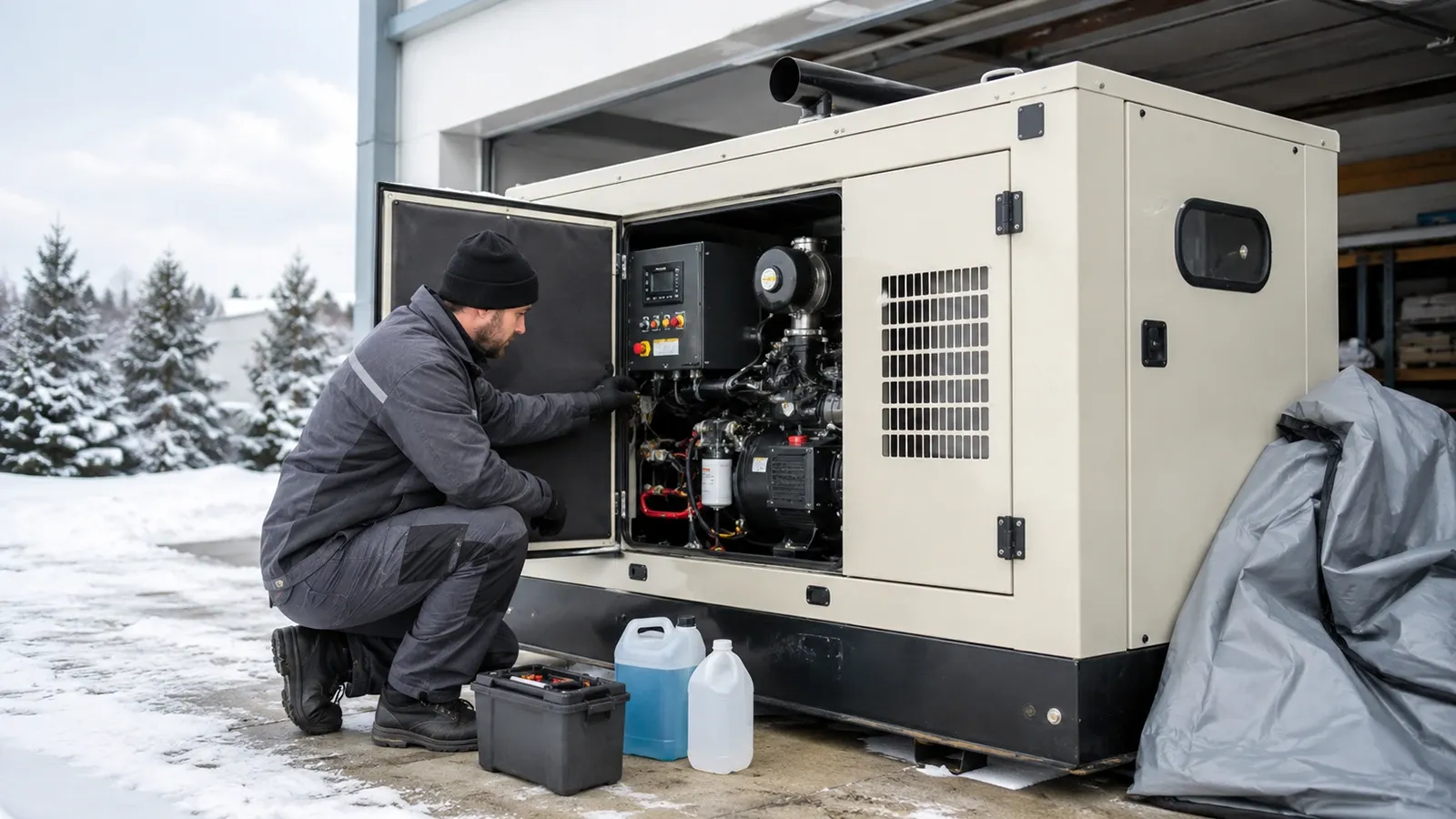
The fuel itself is also a source of faults. Diesel fuel that sits in the tank for a long time can accumulate water through condensation, and sediment and microbiological contamination can form. Water and dirt damage the fuel system and prevent the engine from running properly. In cold climates, diesel fuel can gel; at low temperatures the paraffin in the fuel crystallizes, loses its fluidity and clogs the filters. This is a common and preventable problem in winter. To preserve fuel quality it is important to keep the tank clean, take appropriate precautions during long standby periods and use fuel suited to the season. For winter-specific protection and correct storage, you can review the recommendations in our winter protection article.
10. Starter Motor or Starter Relay Fault
If the battery is fine but you hear a single "click" when you press the starter, or there is no response at all, the problem may be the starter motor or the starter relay. The relay acts as the switch that transfers the battery's power to the starter motor; when it fails, the starter motor cannot engage. The starter motor itself also wears out over time. Keep in mind that this symptom can be confused with a weak battery; that is why you first need to make sure the battery is in good condition. Because the starter motor and relay are part of the electrical power circuit, their diagnosis and replacement should be left to authorized service.
Symptom, Likely Cause and What to Do Table
The table below summarizes the faults above as a quick reference. The values and conditions are representative; the actual fault varies by model, use and conditions. The steps in the "What to do" column are observations within safe limits, not repair instructions.
| Symptom | Likely Cause | What to Do |
|---|---|---|
| Doesn't crank at all, panel dead | Weak/dead battery, loose terminal | Visually check the terminals, contact technical service for a battery test |
| Cranks but won't start | Out of fuel, air in the line | Check the fuel level, call service to bleed the air |
| Struggles to start, weak, chokes | Clogged fuel/air filter | Have the filters replaced under a maintenance plan |
| Starts and stops immediately, oil warning | Low oil pressure protection | Check the oil level, don't force it, notify service |
| Runs for a while and stops, temperature warning | Overheating, cooling problem | Check the antifreeze level on a cold engine, contact service |
| Devices not getting power, unstable voltage/frequency | Overload, regulation/alternator problem | Reduce the load, review the power calculation, consult service |
| Runs manually, won't kick in automatically | ATS setting/signal connection, not in AUTO mode | Check the generator's AUTO position, have service check the ATS |
| Alarm/error code on the panel | System-specific protection triggered | Note down/photograph the code, pass it to service |
| Erratic running, filter clogs quickly | Water/dirt in the fuel, gelling in winter | Review fuel quality and storage |
| Single "click", won't crank (battery fine) | Starter motor or relay fault | Confirm the battery, contact service for diagnosis |
You can use this table as a checklist when describing the problem while standing next to your generator.
Most Faults Are Preventable: The Role of Regular Maintenance
Looking carefully at the 10 faults above, one thing stands out: the majority are conditions that could be spotted in advance through regular maintenance. A weak battery, a dirty filter, dropping oil or coolant, deteriorating fuel; all of these can be caught in periodic checks. By the very nature of a backup power system, the generator mostly waits and only runs when it is needed. And this standby period is precisely when faults quietly mature.
The core elements of regular maintenance generally include the following:
- Checking battery health and state of charge.
- Periodic replacement of the oil, fuel and air filters.
- Monitoring the engine oil and coolant levels.
- Cleanliness of the fuel system and tank, and oversight of fuel quality.
- Testing the system under real conditions with a test run under load.
- Verification of the control panel, ATS and protection systems.
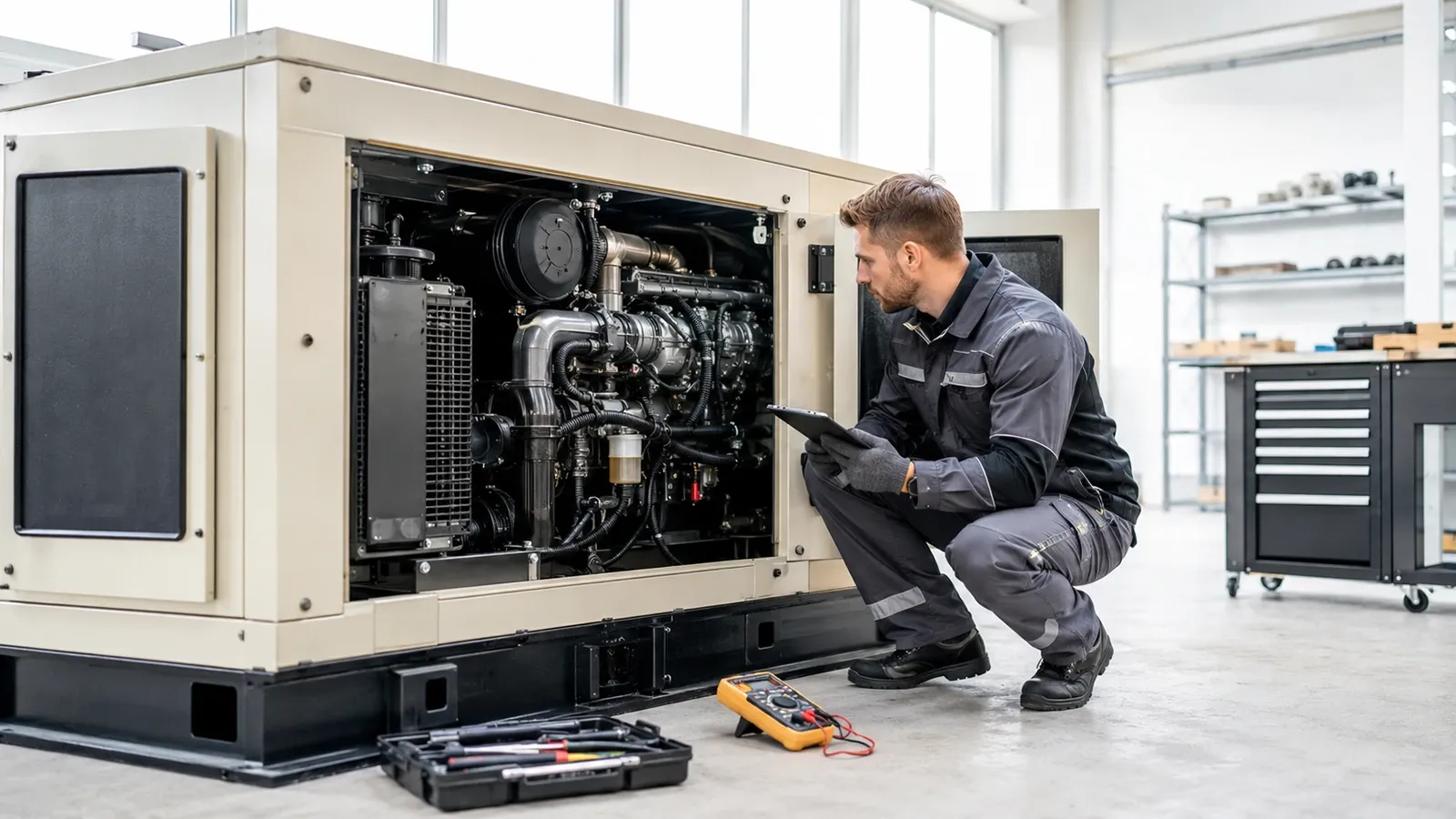
Having these checks carried out at set intervals by competent teams lowers the chance of the generator being out of service at the critical moment. With the maintenance and technical service support we offer at Nidexa, these checks on your generator can be done regularly.
Avoid Unauthorized Intervention: Safety Comes First
The information in this article is meant to help you understand the problem and describe it correctly. However, a generator combines three dangers at the same time: high-voltage electricity, flammable fuel and mechanical parts rotating at high temperature. For this reason, certain limits must never be crossed.
In the following situations, always call authorized technical service:
- Electrical connections, terminals, voltage and frequency problems.
- Bleeding the air from the fuel system, leaks, or faults stemming from fuel quality.
- Recurring or unexplained error codes and alarms.
- Oil pressure and overheating warnings; do not force the generator while these warnings are present.
- Diagnosis of power components such as the starter motor, relay, alternator and regulator.
The safe steps you can take yourself are limited to checking the fuel level, visually inspecting the battery terminals, reading the warning on the panel and looking at fluid levels on a cold engine. Beyond that requires expertise and the right equipment. Unauthorized intervention can put both your safety and the equipment's warranty at risk.
Frequently Asked Questions
The generator cranks but won't start, why?
If the starter cranks but the engine won't fire, the most likely causes are fuel-related: there may be no fuel left in the tank, air may have gotten into the line, or the fuel filter may be clogged. Deterioration in fuel quality (water, dirt) gives a similar symptom too. You can check the fuel level; for bleeding the air from the line and for filter work, you need to call authorized technical service.
Why does the generator stop on its own?
On generators that run for a while and stop on their own, a protection system has usually kicked in. The most common causes are low oil pressure and overheating. In these cases the control panel usually shows the relevant warning. This is not a defect, but a safety response designed to protect the engine. The best approach is to note down the warning and contact service without forcing the generator.
Why doesn't the generator kick in automatically when the mains fails?
If the generator runs manually but does not kick in automatically when the mains fails, the problem is most often related to the automatic transfer switch (ATS). The generator not being set to automatic mode, the signal connection between the ATS and the control panel, or the ATS settings can cause this. You can check the generator's AUTO position; checking the ATS should be left to technical service.
Why does the generator struggle to start in cold weather?
In the cold, two physical effects come together: the current the battery can deliver drops, and diesel fuel begins to gel and loses its fluidity. This makes both cranking and fuel flow harder at low temperatures. Preparing for winter, using suitable fuel and correct storage largely prevent these problems. For details, you can review our winter protection and storage article.
There is an error code on the panel, what should I do?
An error code is the generator showing you the source of the problem. The most useful step is to note down or photograph the code and the panel warning and pass it on to technical service. This information shortens the diagnosis time. Because the meaning of the code varies by brand and model, it is safer to get an expert assessment rather than forcing the generator again and again.
Conclusion
Although a generator not starting may seem like a major problem at first, most of the causes come from familiar, recurring headings: a weak battery, fuel that has run out or has air in the line, clogged filters, low oil pressure, overheating, voltage and frequency deviations, ATS problems, error codes, deteriorated fuel and starter system faults. Recognizing these symptoms lets you describe the problem correctly and take the right step. Remember: the safe limit ends with observation and an accurate description; intervention in the electrical and fuel systems is the job of authorized technical service.
At Nidexa Jeneratör, our team in Maltepe, Istanbul is here for your generator's fault diagnosis, maintenance and technical service and regular checks. If you are planning a new system, you can review our products and use the power calculation tool for the right power. If you are experiencing a problem with your generator or want to set up a maintenance plan, request a quote or reach us at 0501 596 5246.
We help you choose the right generator
Get expert input on power sizing, installation and maintenance.